Micro influencers that drive sales
How to build an influencer network and turn influencer content into sales.
Book a call


If influencers can persuade millions of people to buy a detox tea, imagine what they can do for your e-commerce site.
Are you eager to foster brand loyalty, increase awareness, and meet your marketing goals with ease? You’re in luck because influencer marketing may be the answer you’ve been searching for. In fact, 62% of marketers have seen a boost in sales after collaborating with influencers on campaigns.
Influencers hold significant power in marketing, providing brand awareness and long-term sales opportunities to millions of online users. Nearly half of all consumers depend on at least one influencer for purchasing decisions, while 90% of marketers consider it a high ROI channel. But where to start?
How to build an influencer network
Set clear goals
Whether it's attracting new audiences, improving SEO, boosting brand awareness, promoting a new launch, or increasing sales, having a clear vision is essential.
Define your ideal influencers
The influencers you select should share your brand values, have a following that aligns with your target audience, maintain a good engagement rate, and create quality content regularly.
Cold outreach
Making a connection with influencers can be a great way to build your brand. If you come across an influencer who shares your values, don't be shy to reach out and say hello. A friendly invitation to collaborate might be just the thing to spark their interest.
Add an influencer application form to your site
By flipping the scales, you can easily filter and select partners that align with your goals. Not only will it save you time, but it's also a great way to foster meaningful connections with influencers.
Dip into Shopify collabs
Shopify Collabs has a massive creator marketplace where brands can choose from millions of creators to collaborate with.
E-commerce brands can easily partner with niche creators and get more eyes on their business, while Collabs takes care of all the nitty-gritty details like partnership management and performance tracking.
Consider micro-influencers
Micro-influencers usually have a smaller following with niched content and can give brands a cost-effective and credible edge.
These influencers tend to be more authentic and representative of the audience they are trying to reach, which can lead to a better ROI in influencer marketing.
Why micro-influencers have higher engagement rates
Engagement rate is the share of an influencer's followers who like, comment, share or save their posts. HypeAuditor's long-running analysis of Instagram accounts shows a clear pattern: the more followers an influencer has, the lower their engagement tends to be. Micro-influencers, usually defined as creators with roughly 10,000 to 100,000 followers (definitions vary), sit in the sweet spot between reach and real attention.
A few reasons they keep winning on engagement:
- Community: their followers often know them, or feel like they do. They reply to comments, answer DMs and remember regular faces, so their audience feels like a close-knit community.
- Authenticity: they're everyday people sharing products they actually use, which makes a recommendation feel like advice from a friend.
- Niche focus: a creator who only posts about trail running, sourdough or sustainable baby gear has followers who are all there for that topic. If it's your topic, you're reaching an engaged audience with very little wastage.
Higher engagement is a great start, so look past likes when you choose who to work with. Comments asking "where's that from?", saves, shares, story replies and link clicks are much stronger signs that people want to buy.
How to check an influencer's engagement
Add up the likes, comments, shares and saves on their last 10 to 12 posts, divide by the number of posts, then divide by their follower count and multiply by 100. That's their average engagement rate. Then sense check it:
- Read the comments. Real followers ask questions and tag their friends. A wall of emojis and "great post!" from random accounts is a red flag.
- Look at their follower growth. Sudden jumps of thousands overnight can mean bought followers.
- Ask for their audience insights. A screenshot of their Instagram or TikTok insights shows where their followers live, plus their age and gender, so you can confirm they're reaching Australians who fit your customer.
- Compare like for like. Engagement rates vary by platform and niche, so compare an influencer with others of a similar size in the same space.
Keep every influencer campaign clearly labelled
In Australia, influencer posts need to be clearly identifiable as advertising, including when the influencer has been gifted a free product. When the ACCC reviewed 118 influencers, 81% had made posts that raised concerns about potentially misleading advertising, most often because brand relationships weren't disclosed. Businesses can be held responsible too, so ask every influencer you work with, seeded or paid, to label posts clearly with #ad or the platform's paid partnership tag, and put it in your brief.
Influencer seeding
The question usually is, how do I turn an influencer, who’s never heard of me and doesn’t have my product, into an actual brand advocate? By letting the product speak for itself through influencer seeding.
Influencer seeding is the practice of sending free products to influencers, allowing them to experience your brand and potentially become advocates. This can help drive growth for your Shopify ecommerce site.
Tips for building relationships
Outreach: Start with a brief introduction, followed by a concise statement about your brand, explain why you are reaching out to them, use “no strings attached”, and end with a clear call-to-action.
Send Product: Add a personal touch, such as a handwritten note from the founder or owner. We recommend using the Influencer Seeding App, which is available on the Shopify store. This app simplifies the task of creating multiple orders at once, instead of doing them individually.
Track Posts: Use tools like MightyScout or Archive to see who posted, the organic performance of that content, and to download the content.
Follow Up: Follow up for content rights with the influencers who posted.
Reformat & Caption: Once you have rights, reformat the content to suit the ad scale and caption it for all ad placements.
Implement Content into your Ad Account: Keep influencer content as native to the feed as possible. After assessing performance, you can create repetitions later.
Run Ads: Run ads through whatever campaign method suits your budget and evaluate the results.
Analyse, & Start Over: Analyse who is posting and what content is working. Then start over!
Bring influencers and paid ads together with whitelisting
What’s whitelisting?
Whitelisting on Instagram, Facebook and TikTok is when an influencer gives a brand access to their accounts in order to have control over ad placements. Once whitelisted, a brand can use the influencer account to publish new content or boost content the influencer has already posted.
Brands can manage the content their target audience sees, using dark posts.
What’s dark posting?
A dark post is an unpublished social post promoted as an ad to a specific audience. That audience fits criteria that you have specified for the campaign. It cannot be found organically and does not appear on the influencers page or feed. To the end user these dark posts look like sponsored content from influencer handles that show up as Facebook ads or Instagram ads.
What types of influencers should you whitelist?
✔️ One that closely represent your brand
✔️ Have a business profile, creator account, or a verified account on Instagram
✔️ Create content that’s unique, engaging and natural
What about measuring ROI?
All paid ads run through Ads Manager so you can measure impressions, clicks and conversions. Add UTM parameters to all call-to-action buttons and IG story link stickers in dark posts so that you also have full funnel visibility in Google Analytics along with conversion tracking.
Additional ways to drive sales through influencer marketing
Get influencers to review your products
Over 60% of consumers trust influencers’ opinions, making it twice as effective as branded content. Influencers also help consumers vet new brands and products.
Give exclusive discount codes to influencers
97% of people look for deals when shopping for new products, making discount codes an effective way to drive traffic and sales to your website.
Run a contest or giveaway with influencers
Contests are a proven strategy that helps influencers build engagement with their followers, and promotes brand awareness by putting products in the hands of interested consumers.
Ask influencers to use your branded hashtag
Branded hashtags are a simple way to increase your brand's social media presence and maintain visibility among your target audience. We recommend a campaign-specific hashtag for any social media campaigns.
Run a social media takeover with an influencer
A takeover is a unique and engaging strategy that provides your audience with a fresh perspective and an opportunity to connect with your brand.
Have influencers curate gift guides during the holidays
Gift guides are a reliable way to provide quality gift options for those who procrastinate their holiday shopping.
Make unboxing videos with influencers
Unboxing is an effective way to showcase your products from multiple angles and help undecided consumers make a purchase.


Keep reading
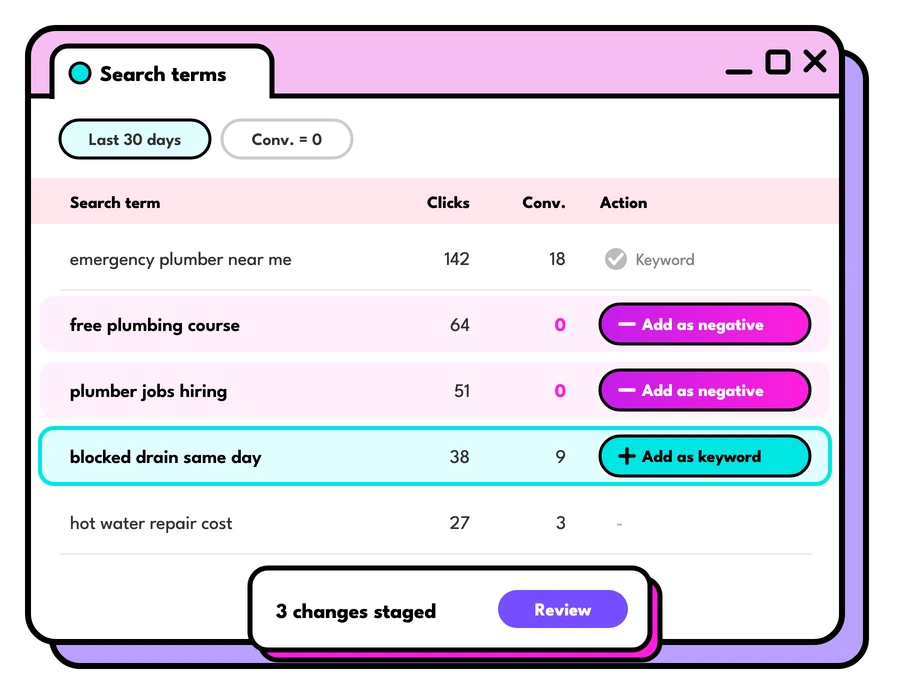
Google Ads search terms report
How to use the Google Ads search terms report to find new keywords, cut wasted spend and win more of the traffic that turns into enquiries.
Read the guide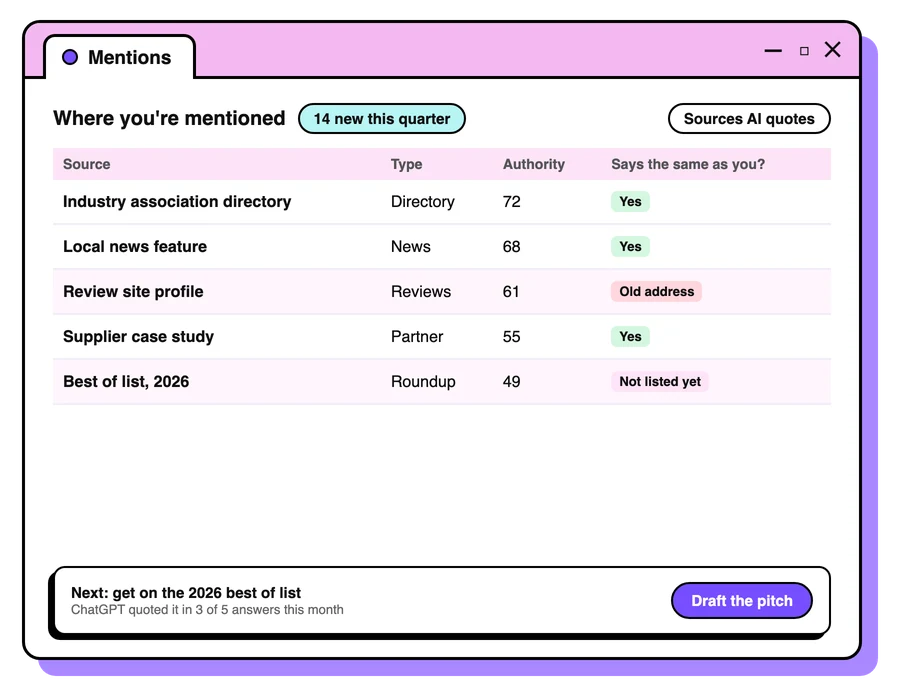
What are backlinks?
What are backlinks, how Google and AI tools use them, and what makes a good one. A plain guide from Foresight Digital, a Melbourne SEO agency.
Read the guide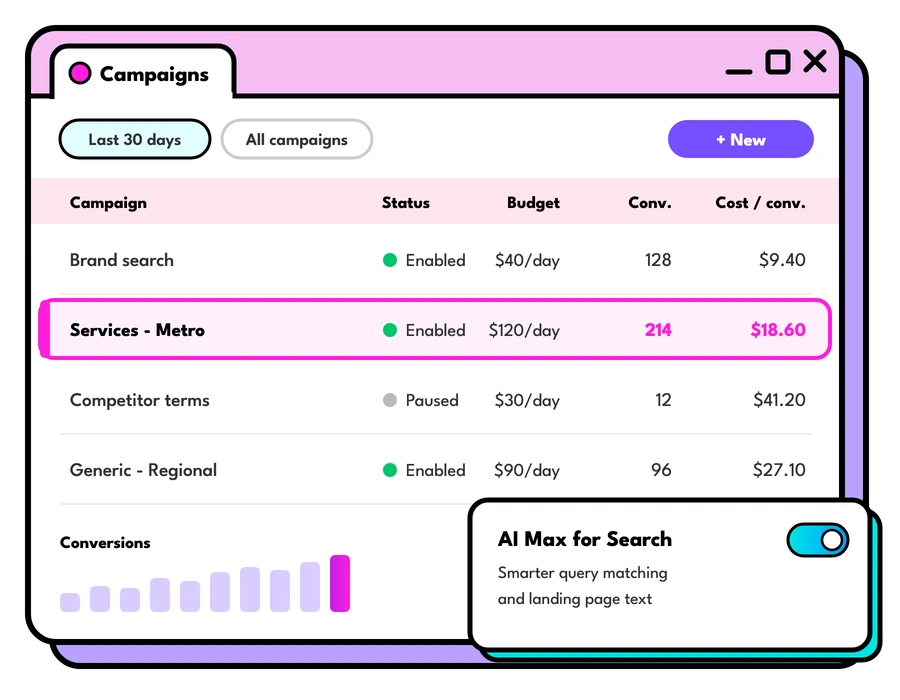
Google Ads cost in Australia
What Google Ads cost in Australia and how to set your daily budget: how Google spends it, what changes the cost per click, and where to start.
Read the guideLet's talk about your goals
Tell us what you're working towards and we'll show you where we'd start.
Book a strategy call