What do Facebook ads cost in Australia?
How Meta prices its ads, what moves the cost, and how to work out a budget that suits you.
Book a call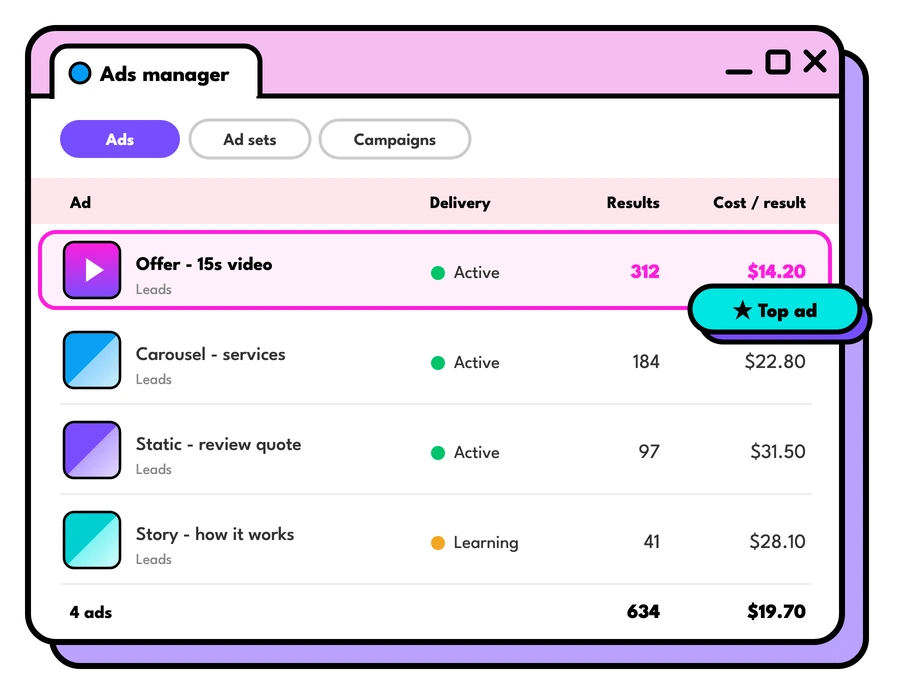

There's no price list for Facebook ads. Meta runs an auction every time someone scrolls, and the price you pay depends on who you want to reach, when, and how good your ad is. That makes "what does it cost" a fair question with an unsatisfying answer, so here's how to work it out for your business.
How Facebook ads are priced
You set a budget, and Meta spends it reaching the people most likely to do what you asked for, such as buy, enquire or watch a video. You're usually charged for impressions (each time your ad is shown), and you'll see that as a cost per thousand impressions, or CPM. From there come your cost per click and cost per lead or sale.
Because Meta sets its prices by audience, placement, season and creative rather than by a search, any "average Facebook ads cost" table you find is one agency's accounts, a survey, or overseas data converted to dollars. Your own numbers are the only ones that count.
What drives the cost up or down
- Your creative. The biggest lever. Ads people stop for and engage with are shown more cheaply. Fresh, thumb-stopping creative lowers your cost; tired ads raise it.
- Your audience. Narrow, in-demand audiences cost more. Broader targeting usually lets Meta find buyers more cheaply, with the creative doing the targeting.
- The time of year. Costs rise in the lead-up to Black Friday, Christmas and end of financial year, when more advertisers compete.
- Your goal. Asking Meta for sales or leads costs more per impression than asking for reach, because it shows your ad to people more likely to act.
- Your landing page. A page that converts well lowers what each lead or sale costs, even if the click costs the same.
- Your tracking. With the Meta pixel and Conversions API sending good data, Meta learns faster and wastes less.
How to work out your budget
Work backwards from what a customer is worth. Here's a worked example with round numbers, to show the method:
- A new customer is worth $1,200 to you in their first year.
- One in five leads becomes a customer, so a lead is worth up to $240, and you'd happily pay $80.
- You want 20 new customers a month, which means 100 leads.
- At $80 a lead, that's $8,000 a month in ad spend.
Then test it. Start at a level you can keep up for at least two to three months, because Meta's campaigns need time and enough conversions to learn. Judge the result on your cost per lead and cost per customer, and adjust.
What agencies charge to manage Facebook ads
Management is charged separately from your ad spend. Australian agencies usually charge a share of spend (commonly 10 to 20%), a flat monthly fee, or a base fee plus a smaller share. Ours start from $5,000 a month, including the creative we make for your ads. See our pricing guide for what's included and what moves the price.
How to get more for your budget
- Make new creative regularly and test several versions at once.
- Use video and real people, filmed simply: authenticity often beats polish.
- Keep your account structure simple, so each campaign has enough budget to learn.
- Set up the Conversions API alongside the pixel.
- Measure what Meta's ads lead to across all your channels, including later searches for your brand.
For benchmarks across industries, see our cost per lead benchmarks, or talk to our Facebook ads team.

Questions people ask
How much should I spend on Facebook ads?
Work back from what a customer is worth and how many you want, then start at a budget you can keep up for two to three months so the campaign can learn.
Why are my Facebook ads getting more expensive?
Usually tired creative, a narrow audience, a busy season or weak conversion tracking. Fresh creative is the quickest fix.
Is there a minimum budget for Facebook ads?
Meta lets you spend a few dollars a day, but campaigns need enough conversions to learn. For most businesses that means hundreds to thousands of dollars a month.
Are Facebook ads cheaper than Google Ads?
Clicks on Meta are usually cheaper, but people on Google are often closer to buying. Compare them on what each customer costs, which tells you far more than the cost of a click.
Keep reading
Google Ads cost in Australia
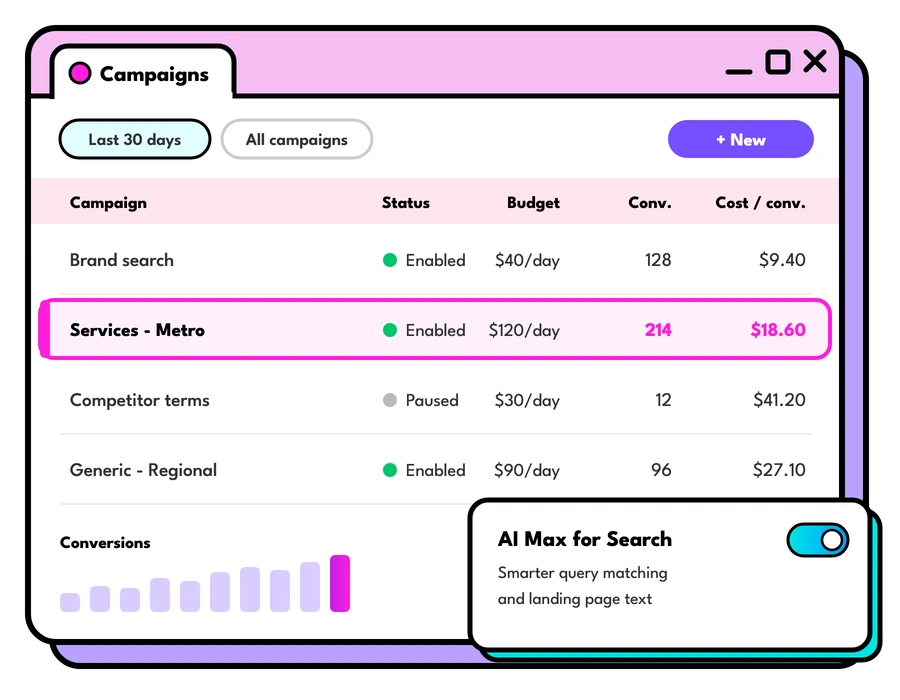
What Google Ads cost in Australia and how to set your daily budget: how Google spends it, what changes the cost per click, and where to start.
Read the guide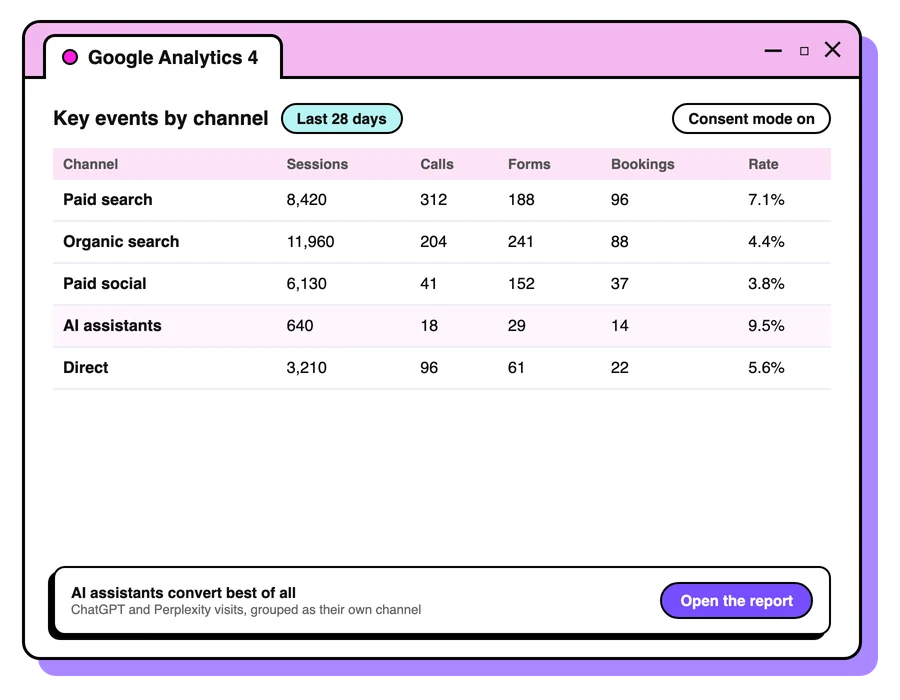
Google Ads vs Facebook ads: which first?
Google Ads vs Facebook ads: how they differ, which to start with for your business, how to set each up to work, and how they help each other.
Read the guide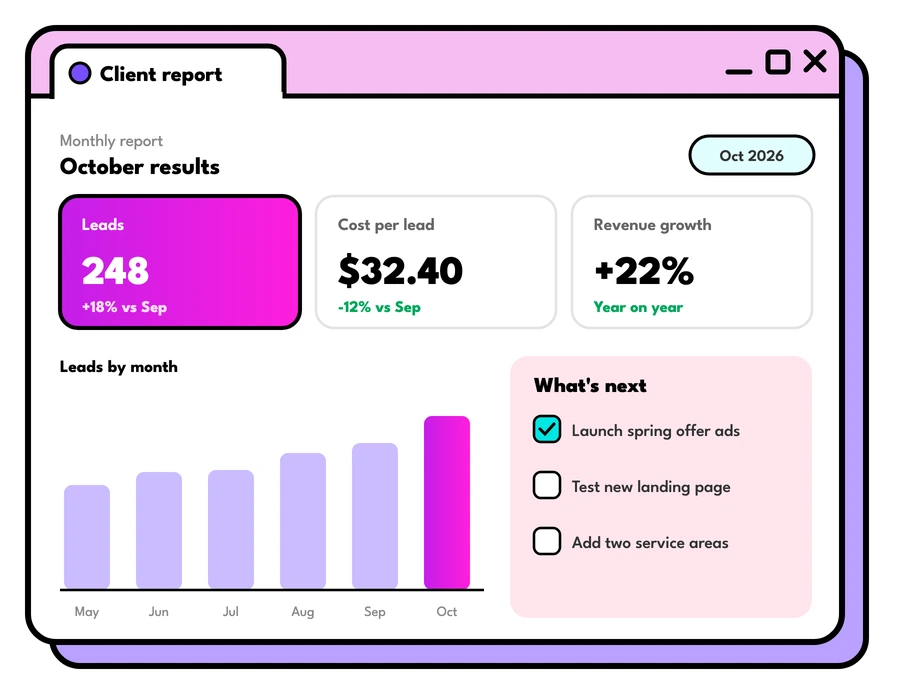
Cost per lead Australia: what a lead costs, by industry
Cost per lead Australia: what Google Ads clicks and leads cost across 13 industries, from Australian search data, and how to work out your own.
Read the guideLet's talk about your goals
Tell us what you're working towards and we'll show you where we'd start.
Book a strategy call